Alcaraz’s Wrist Injury Casts Doubt Over US Open Defense
Carlos Alcaraz has been sidelined for 114 days with tenosynovitis, missing the French Open, Wimbledon and now withdrawing from Cincinnati, putting his US Open title defence in jeopardy.
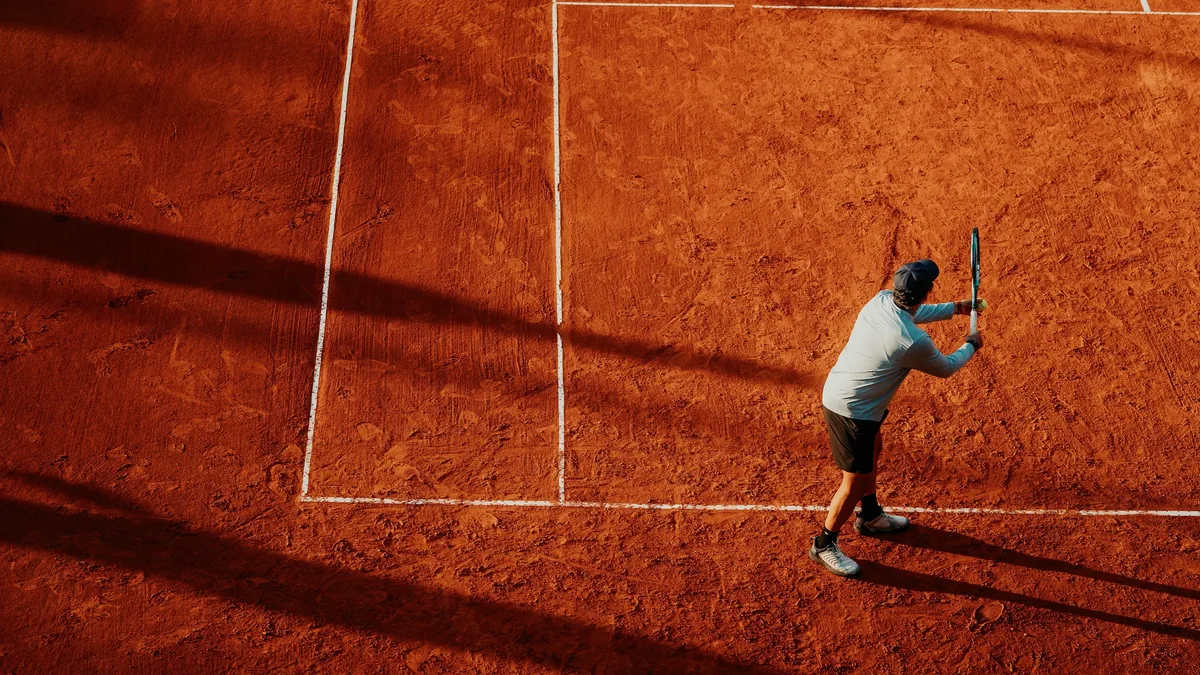
Carlos Alcaraz walked off the court at Melbourne’s Rod Laver Arena in January as a 22-year-old career Grand Slam champion, having just beaten Novak Djokovic to claim his seventh major. A few months earlier he had dispatched Jannik Sinner in a dominant US Open final. Since then the Spaniard has not played a competitive match - a stretch of 114 days - after a wrist injury in April forced him out of the French Open and Wimbledon.
The condition is typically triggered by repetitive actions such as gripping and swinging a racket, leading to swelling and persistent tenderness. While minor cases may resolve in weeks with rest, more severe instances can require extensive physiotherapy and, in some cases, surgery, with recovery periods extending up to a year. Alcaraz has avoided surgery but has been unable to use a racket for a significant portion of his lay-off, and his recent withdrawal from the Cincinnati Open pushes his absence beyond four months.
Wrist problems are especially concerning for tennis players because the joint is involved in every shot. The wrist’s roll generates power, while its dexterity enables delicate touches such as drop shots - both essential to Alcaraz’s all-court style. Former world No. 35 CiCi Bellis, who retired at 22 after recurring wrist issues, described the mental challenge of trusting the joint again, noting that “the wrist is one of the places you fear hurting the most.” The modern game’s emphasis on baseline power and heavy topspin, combined with advances in racquet and string technology, has increased the forces transmitted to the wrist.
Grand Slam champions Dominic Thiem and Juan Martin del Potro have both battled recurring wrist injuries, underscoring the growing relevance of the problem. Physiotherapist James Ross, who works at Grand Slam events, linked the rise in wrist injuries to faster balls, tougher schedules, and variations in ball consistency across tournaments, all of which demand greater adaptation from players’ bodies.
Challenges of returning to competition
Alcaraz’s last competitive appearance was a win over a qualifier at the Barcelona Open, after which he withdrew due to visible discomfort. Recent training footage from Murcia shows him back on the court, but he is still at least a few weeks away from a full competitive return. If he does compete at the US Open, he will do so after roughly five months of rust, a factor that could affect his performance.
Ross warned that a previous injury is the biggest predictor of future problems, stating that “if you have had it once, you are more likely to have it in the future.” He added that while a gradual return over several months can lead to a stable recovery, the pressure to earn prize money and protect ranking points can tempt players to rush back, increasing the risk of chronic issues. Psychological hurdles are also significant. Sir Andy Murray, who suffered wrist injuries early in his career, explained that the wrist is crucial for handling low balls and high-velocity shots, and that the memory of pain can make it hard to regain confidence.
Bellis echoed this sentiment, emphasizing that “time is the biggest healer” and that rebuilding trust in the joint is essential for a successful comeback.
Outlook for the US Open and beyond
Before his injury, Alcaraz was averaging two Grand Slam titles per year, a pace that could see him equal Novak Djokovic’s record of 24 titles by 2034. However, the wrist’s limited blood supply and slow healing rate mean that regaining his peak form will require careful management. Ross highlighted the need for a comprehensive rehabilitation plan that includes cardiovascular work, core and lower-body conditioning, and mental coping strategies.
With the US Open less than a month away, Alcaraz’s ability to defend his title remains uncertain. The decision to compete will hinge on his physical readiness, confidence in his wrist, and the advice of his medical team. Regardless of the outcome, his situation underscores the broader issue of wrist health in modern tennis and the delicate balance players must strike between ambition and injury prevention.
Source: BBC Sport