Court Philippe Chatrier
| Venue type | Tennis stadium |
|---|---|
| Location | Stade Roland Garros, Paris, France |
| Court surface | Red clay |
| Seating capacity | Approximately 15,000 |
| Primary use | Hosts French Open finals and major matches |
| Original use | Built for tennis |
| Notable feature | Retractable roof installed 2020 |
| Hosted since | 1928 |
Origin and history
Court Philippe Chatrier is a tennis stadium located in Paris, France. It was constructed in the 1920s as part of the Stade Roland Garros complex, built to host France's defense of the Davis Cup. The court was originally known simply as the "Centre Court" of the Roland Garros venue. It was renamed in 1989 to honor Philippe Chatrier, a former French tennis champion, journalist, and president of both the French Tennis Federation and the International Tennis Federation. The court has undergone significant architectural renovations and expansions throughout its history to increase its spectator capacity and modernize its facilities. Its most recent and comprehensive reconstruction was completed in the 2020s, which included the installation of a retractable roof.
What it is for
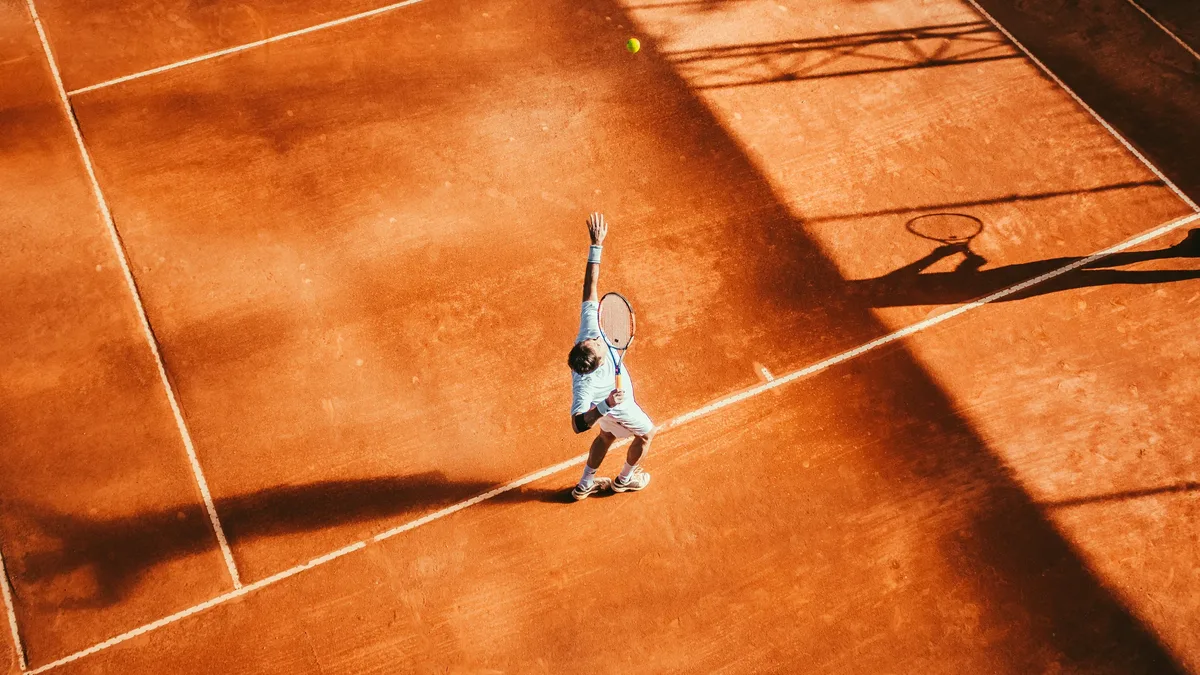
Court Philippe Chatrier is the primary competition court for the French Open, one of the four Grand Slam tennis tournaments. It is used exclusively for the tournament's most significant singles and doubles matches during the two-week event held annually in late May and early June. The court's clay surface, made of crushed red brick, defines the specific physical challenges of the tournament. Matches scheduled on this court carry the highest ranking points available on the ATP and WTA tours, with the singles champions earning 2000 points. The stadium also hosts the tournament's final rounds, where the championships are decided. Its scheduling is reserved for top-seeded players, compelling rivalries, and later stages of the tournament draw.
Pros and cons
A primary advantage of Court Philippe Chatrier is its status and capacity, providing players with the ultimate test on clay and offering spectators a premier viewing experience. The installation of a retractable roof has eliminated total rain delays, a historic con that frequently disrupted the tournament schedule and player rhythm. However, the court's specific clay composition and environmental conditions, such as sun and wind, still create highly variable bounce and speed that can disadvantage players reliant on a consistent, fast pace. Players with big serves and a preference for short points often regret its slow surface, which extends rallies and physically exhausts them. A common tactical mistake is failing to adjust footwork and shot selection for the uneven, loose top layer of clay, leading to errors. Furthermore, the immense pressure and focused attention of the large center court atmosphere can overwhelm competitors unaccustomed to such a grand stage.
Who it suits
Court Philippe Chatrier supremely suits baseline players with exceptional physical endurance, patience, and topspin-heavy groundstrokes. It favors competitors who possess sophisticated point construction skills and can slide effectively into shots on clay. Defensive specialists and counter-punchers find it advantageous, as the surface allows more time to retrieve balls and turn defense into offense. Historically, it has been the domain of players who excel in longer, grueling matches where mental fortitude is as important as shot-making. It is less suited to serve-and-volley players or those whose games are built on flat, powerful strokes that skid on harder courts. Ultimately, it suits the tournament's top contenders who must navigate both its physical demands and the unique psychological pressure of the sport's most iconic clay court.
Latest Court Philippe Chatrier news
Latest reporting
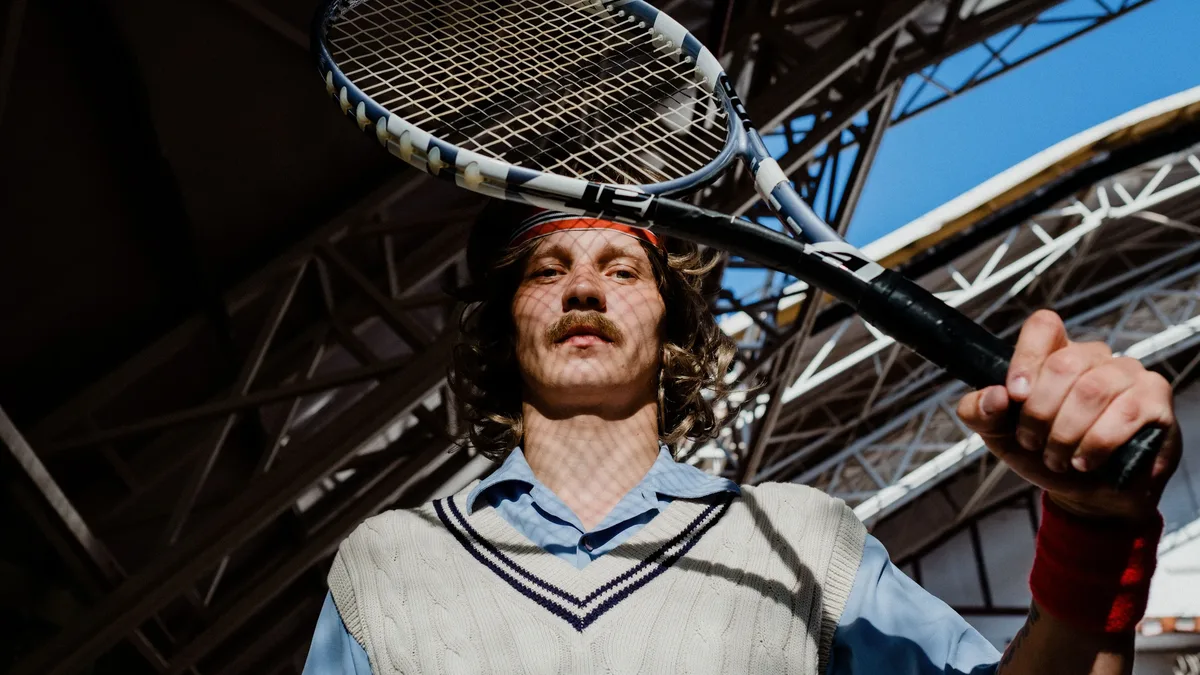
Medvedev Wins Hangzhou Open For 24th ATP Title
Daniil Medvedev defeated Andrey Rublev 7-5, 6-4 to claim the Hangzhou Open, securing his 24th career title and matching hard-court legends.
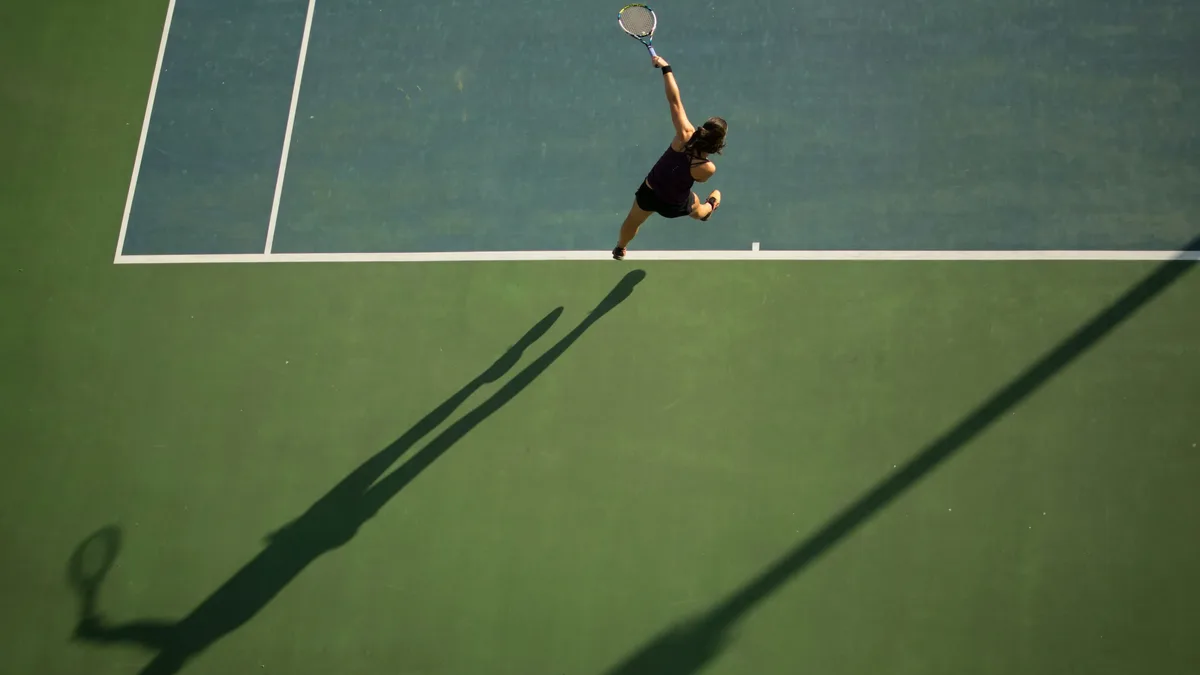
Alex Eala Wins US Open Hard Court Swing Award
Filipina player Alex Eala won the WTA's Star of the Swing Award for the US Open hard court swing with 78% of the fan vote, ahead of world number one...
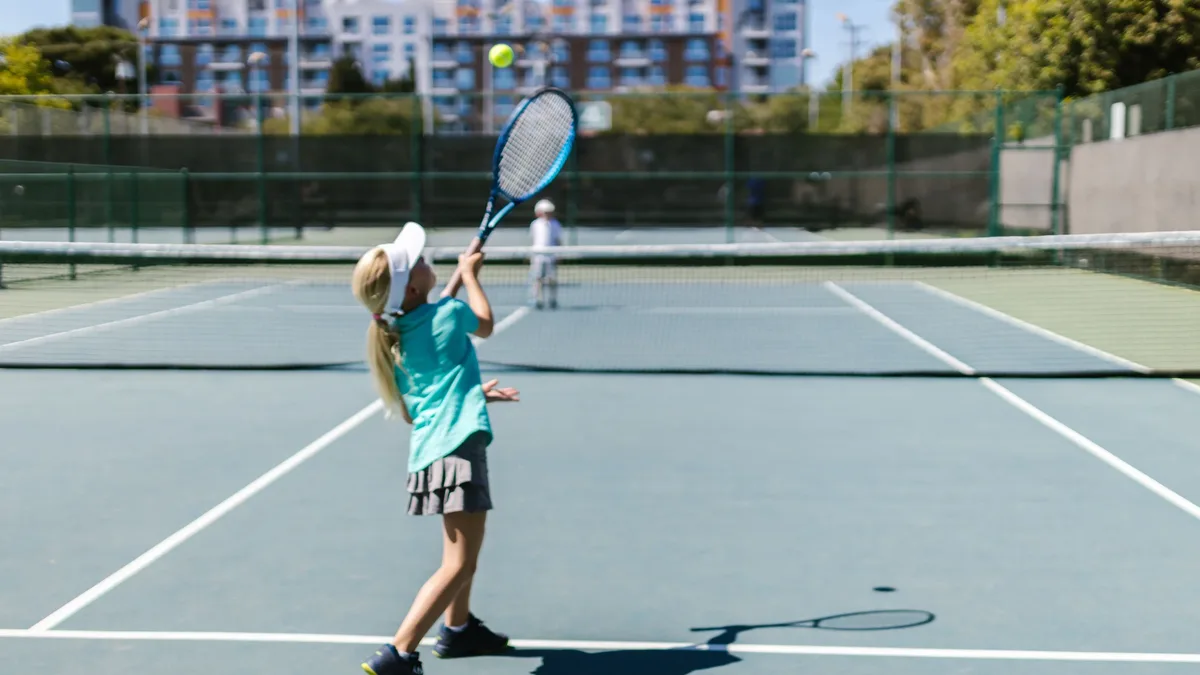
15-Year-Old Chris Evert Stuns Grand Slam Champion Margaret
In a 1970 Charlotte Open semi-final, teenage prodigy Chris Evert defeated world No. 1 Margaret Court, who had just completed a calendar-year Grand...
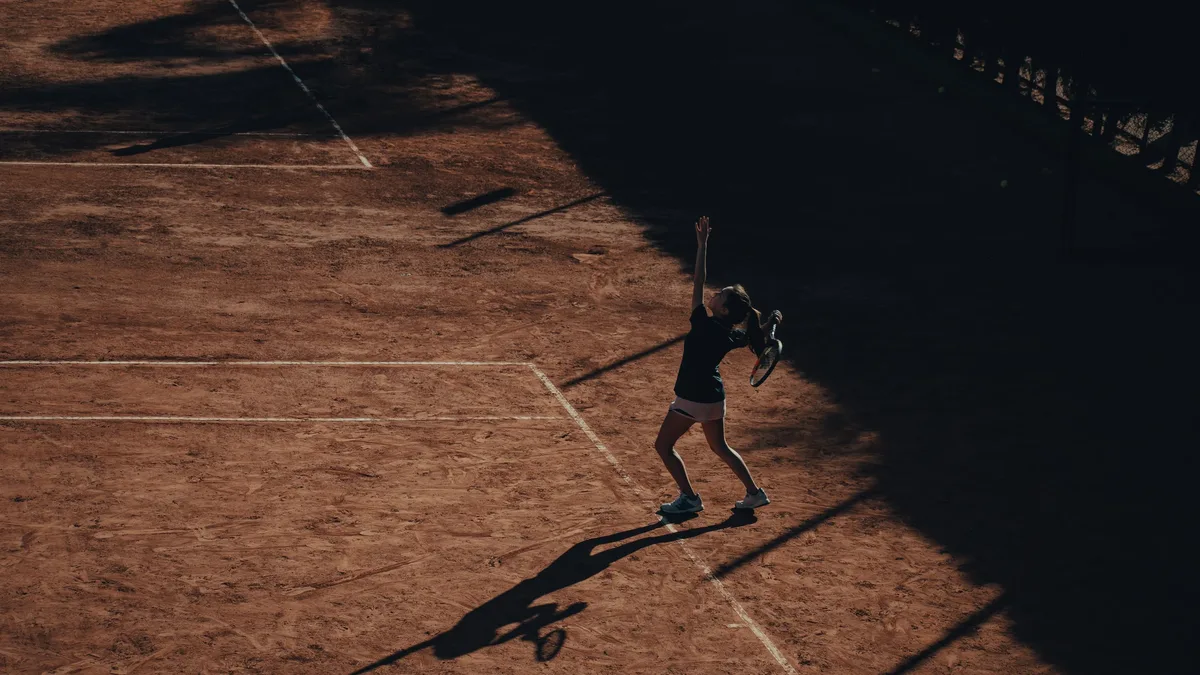
Chris Evert's 1975 US Open Clay-Court Breakthrough
On September 6, 1975, 20-year-old Chris Evert won her first US Open title, defeating Evonne Goolagong in three sets.
Sabalenka calls journalist a 'joke' over US Open partying
World No. 1 Aryna Sabalenka angrily dismissed a reporter's suggestion that her off-court activities at the US Open involved partying, calling the...
Jack Draper's Emotional Journey Back to Tennis
Tennis player Jack Draper opens up about his struggles with a bone bruise injury to his left arm, which has forced him to make drastic changes to his...