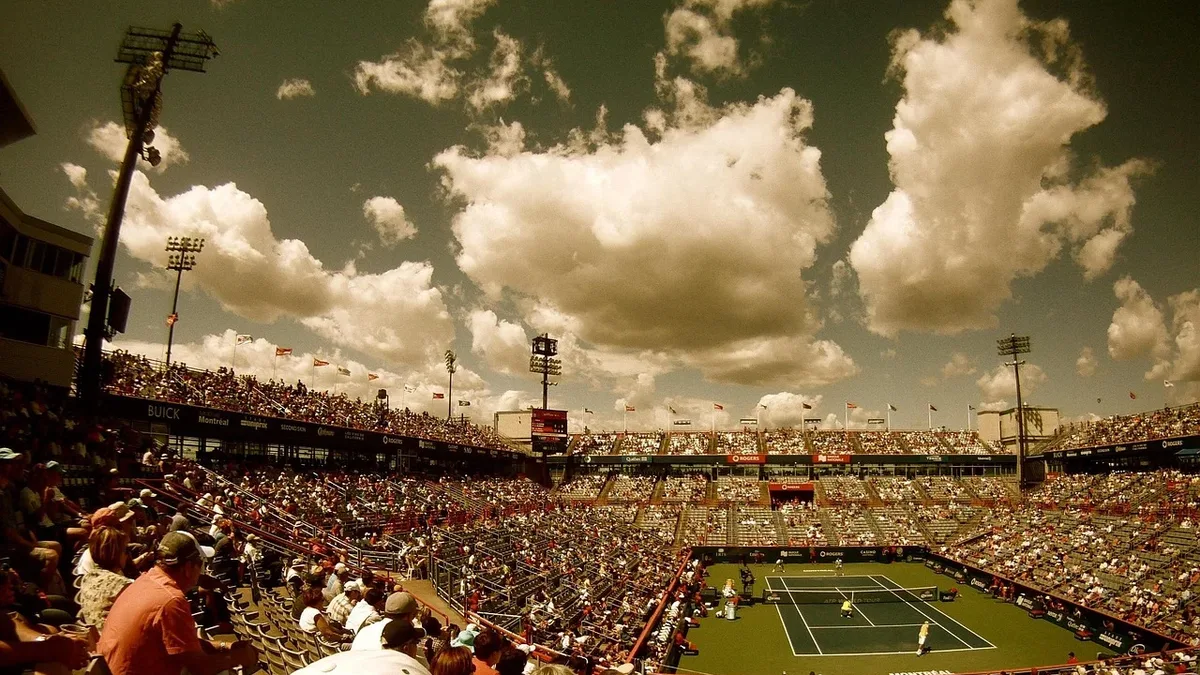
Inalpi Arena Turin
| Official name | Inalpi Arena |
|---|---|
| Location | Turin, Italy |
| Former name | PalaAlpitour |
| Primary use | Multi-purpose indoor arena |
| Capacity | Approximately 12,350 (for tennis) |
| Operator | GL events |
| Surface type | Hard court (for tennis tournaments) |
| Tournament hosted | ATP Finals |
Origin and history
The Inalpi Arena is a large indoor sports venue located in the Lingotto district of Turin, Italy. It was constructed in the first half of the 2000s, opening its doors in the mid-2000s. The arena was built as a key component of Turin's infrastructure for hosting the 2006 Winter Olympic Games. It served as the primary venue for the Olympic figure skating and short track speed skating events during those games. Following the Olympics, the arena has undergone periodic renovations to maintain its status as a premier multi-purpose facility. Its history is therefore deeply tied to a major international sporting event and the city's post-industrial redevelopment of the Lingotto area.
What it is for
The Inalpi Arena is designed as a multi-purpose sports and entertainment complex with a primary focus on ice-based events. It serves as the regular home arena for HC Torino, a professional ice hockey team competing in the Italian Ice Hockey League. The venue is also a frequent host for international figure skating competitions, including stages of the ISU Grand Prix series. Beyond ice sports, the arena's adaptable floor allows it to accommodate large-scale concerts, conventions, and other major entertainment events. Its functionality for a tournament draw stems from its capacity to host thousands of spectators and provide extensive media facilities for broadcast. The arena's infrastructure supports the precise and formal requirements of a draw ceremony, including staging, lighting, and secure areas for participants and officials.
Pros and cons
A significant pro of the Inalpi Arena is its modern, Olympic-grade facilities, which ensure high standards for ice quality, athlete amenities, and spectator comfort. The location within Turin's transformed Lingotto district offers good public transport links and proximity to other city amenities. However, a common con is that for smaller events, the very large scale of the arena can feel cavernous and lack atmosphere if the lower bowl is not filled. Organizers sometimes regret choosing it for niche events that cannot draw a crowd sufficient to justify the operational costs. The arena's multi-purpose nature, while a strength, can also be a drawback for pure sporting events, as the configuration for concerts may require substantial and costly reconfiguration for a competition. Its primary design for winter sports means that hosting non-ice events requires installation of a temporary floor, which can introduce logistical complexities and potential scheduling conflicts.
Who it suits
This arena suits major international sporting federations requiring a proven, large-capacity venue with impeccable ice-making credentials for events like a World Championship or Grand Prix Final. It is ideally suited for the national governing bodies of ice sports in Italy seeking a flagship venue to host domestic finals and showcase events. The tournament draw and the significant ranking points at stake suit this venue because its prestige and professional environment confer gravity to the proceedings. Large-scale concert promoters and entertainment companies also find it suitable for touring arena shows in the northern Italian market. It does not suit local community sports clubs or smaller tournament organizers with limited budgets, as the scale and cost are prohibitive. The venue is a strong match for events that require simultaneous international media broadcasting and extensive hospitality facilities for sponsors and dignitaries.