US Open ticket prices spark outcry from
Billionaire Bill Ackman and NYC Mayor Zohran Mamdani have both criticized the high cost of US Open tickets. A grounds pass officially priced at $65 was listed for $321 on the secondary market, prompting over 336,000 applications for 1,000 discounted tickets offered by the mayor.

Billionaire hedge fund manager Bill Ackman and New York's democratic socialist Mayor Zohran Mamdani have both criticized the cost of attending the US Open tennis tournament. Ackman objected to a grounds pass listed for $363, while Mamdani responded to public uproar by securing 1,000 tickets for New York residents at $100 each, which drew more than 336,000 applicants.
The dispute highlights the affordability crisis at the modern US Open, where a $65 grounds pass with no guaranteed seat can sell for over five times its face value on the tournament's official resale marketplace. For generations, the event has been known as the "people's slam," but as the final major of the season begins, that democratic ideal is being challenged as more people are priced out.
The Push for Growth and a 'Tennis Disneyland'
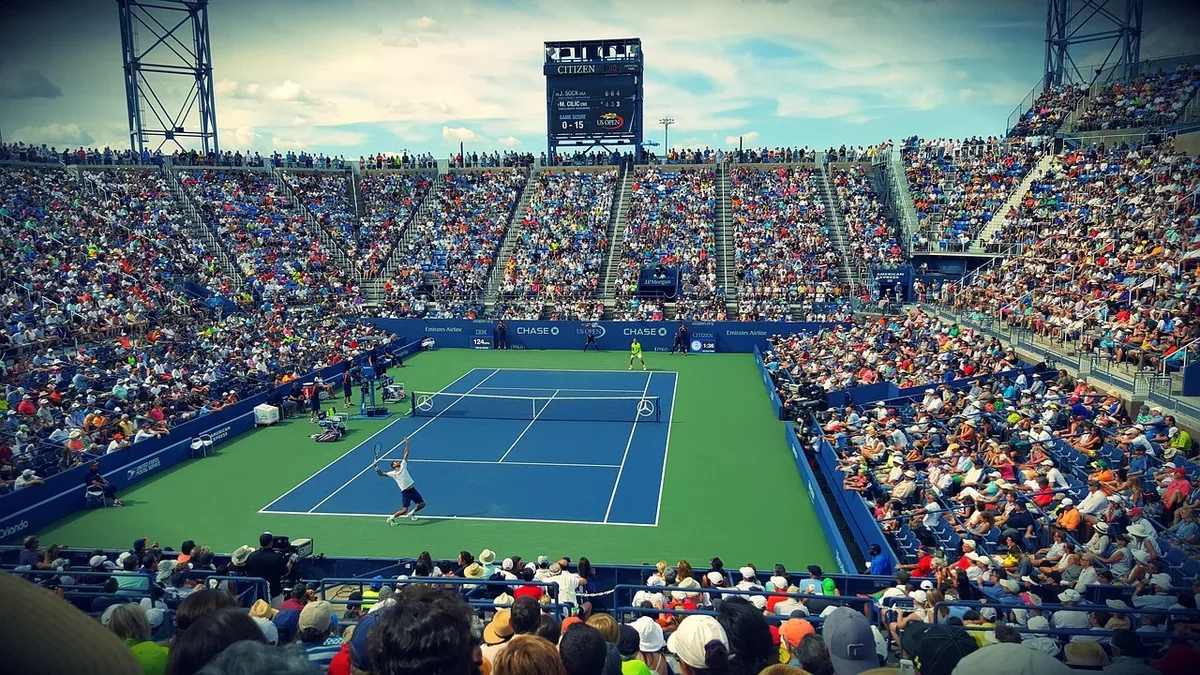
The simplest explanation for rising prices is exploding demand. Over the past decade, the US Open has transformed into a three-week New York cultural festival blending sport, fashion, celebrity, and consumption. The tournament surpassed one million visitors for the first time in 2024 and shows little sign of dropping below that mark.
Craig Tiley, the USTA's new chief executive who previously ran Tennis Australia and the Australian Open, is driving this expansion. He described his vision for the event by saying, "This will become the tennis Disneyland." Tiley explained growth would come from creating more experiences within the event for players, children, and adults, acknowledging an "insatiable appetite" to attend Flushing Meadows.
How the Ticketing System Fuels High Prices
New York law allows tickets to be resold for any price, and the Open's official partner, Ticketmaster, operates both the primary sale and the resale marketplace. The USTA benefits from both, receiving a portion of Ticketmaster's fees when a verified resale ticket changes hands. This means a single ticket can generate revenue for the organization multiple times. The USTA declined to tell the Guardian what percentage it receives or the annual revenue from this arrangement.
The USTA argues that shutting down the official resale market would push buyers to less secure platforms. However, Tiley acknowledged the secondary market is a major challenge, citing a $65 grounds pass listed for $321. The organization has also declined to answer how much face-value inventory is available before tickets hit the secondary market.
A Shift Towards Premium Seating and Hospitality
The secondary market isn't the only force pushing prices up. Arthur Ashe Stadium is undergoing an $800 million renovation. While overall capacity remains largely unchanged, the seating mix is shifting dramatically.
| Seat Type | Change in Capacity | Average Price Per Session |
|---|---|---|
| Loge Seats | Disappearing (approx. 3,500 seats) | $291 (old average) |
| Non-Club Courtside Seats | Increasing (approx. 2,000 seats) | More than $560 |
| Hospitality Seats | N/A | Above $2,300 |
This premiumization is reflected in the USTA's finances. From 2021 to 2024, broadcast revenue slightly declined, but ticket revenue jumped 37% from $151.7 million to $208.5 million. Sponsorship rose 26%, and hospitality and service revenue more than doubled from $41 million to $83.3 million. The growth opportunity is now the customer on-site, buying upgrades, $40 lobster rolls, or $100 caviar-flecked chicken nuggets.
This strategy has been extraordinarily successful. The USTA's net assets have nearly doubled over the past decade, from $371 million to $734 million, with over $580 million held in cash and investments. The US Open now generates nearly 90% of USTA operating revenue, up from roughly 80% a decade ago.
The USTA defends its approach by pointing to its substantial reinvestment in grassroots tennis and Fan Week, which offers free entry for qualifying and practice sessions. Tiley noted that eight of the event's 22 days offer free access and said a record number of children visited during the preceding week. He believes Fan Week could eventually become the most heavily attended week of the entire event.
Chief Commercial Officer Kirsten Corio told the Athletic that by selling $65 grounds passes, the USTA is knowingly leaving money on the table that the secondary market captures. Tiley insists accessibility will remain part of the calculation as the Open grows, stating the challenge is balancing insatiable demand with "making sure kids have access." The USTA says its ticketing policies will be reassessed after the tournament.