Longest Matches
| Tournament | value |
|---|---|
| Edition | value |
| Surface | value |
| Draw size | value |
| Points for the winner | value |
| Tournament category | value |
| Defending champion | value |
| Notable record holder | value |
Origin and history
The Longest Matches calendar is a statistical compilation originating from the professional tennis tour in the late 20th century. Its creation was driven by the increasing availability of detailed match data and record-keeping by governing bodies like the ATP and WTA. The concept gained formal recognition as marathon matches became a notable feature of the sport's modern era, particularly in Grand Slam events. The calendar serves as an archival record rather than an official tour document, curated by statisticians and historians. Its maintenance became more systematic with the advent of digital databases in the 1990s and 2000s. The historical list is periodically revised as new marathon matches occur and supersede previous records.
What it is for
The primary function of the Longest Matches calendar is to catalog and rank professional tennis matches by their total duration in clock time. It provides a historical benchmark for comparing the physical and mental endurance required across different eras and tournaments. For players and coaches, it offers context on the extreme demands that can be placed on athletes within the tournament draw structure. Analysts use it to examine patterns in playing styles, court surfaces, and rule changes that contribute to match length. It also serves media and commentators with definitive facts for broadcast narratives during lengthy contests. Furthermore, it acts as a reference point for discussions on potential format reforms, such as the introduction of final-set tiebreaks.
Overview
The Longest Matches calendar is a ranked list, typically ordered from the longest recorded match duration to the shortest within a defined threshold. It includes matches from the major professional tours (ATP and WTA) and Grand Slam tournaments, noting the event, round, year, participants, scoreline, and total duration. The calendar is dynamic, with new entries added when a match surpasses the existing minimum duration on the list. It distinguishes between matches played under different scoring systems, such as those before and after the widespread adoption of final-set tiebreaks. The list often separates men's and women's matches due to the different formats in best-of-five and best-of-three set matches. It may also include notable matches from Davis Cup, Fed Cup, or other team competitions recognized by the ITF.
What to know
A match's placement on this calendar is determined solely by the official clock time from the first serve to the final point, not by the number of games or sets played. The tournament draw is critical, as the most epic marathons frequently occur in early rounds, leaving the winner physically depleted for subsequent matches. Ranking points at stake remain unchanged regardless of match length, creating a significant imbalance between the effort expended and the points awarded for a single win. Surface type is a major factor, with grass courts generally producing shorter points and matches than clay or hard courts. Rule changes, like the Wimbledon 2019 final-set tiebreak at 12-12, directly prevent new entries from that event from reaching the list's upper ranks. Weather delays and interruptions are typically subtracted from the total duration, so a match spanning multiple days may have a shorter actual playing time.
Common questions
A common question is whether the famous 2010 Wimbledon first-round match between John Isner and Nicolas Mahut is still considered the longest. This match, lasting 11 hours and 5 minutes over three days, remains the longest recorded in professional tennis history by a significant margin. People often ask if women's matches appear on the same list, and they typically have a separate ranking due to the universal best-of-three set format in women's tour events. Another frequent inquiry concerns how players recover physically and prepare for their next match after such an ordeal, which involves intense physiotherapy and nutritional strategies. Many wonder if these marathons are more common in specific tournaments, with Wimbledon and the French Open historically featuring numerous entries due to their grass and clay court characteristics. Observers also ask about the role of serve dominance, as matches with exceptionally tall, powerful servers can lead to prolonged sets with few service breaks.
Pros and cons
A primary pro is that the calendar provides a definitive, factual record of extraordinary athletic achievement, preserving these moments in the sport's history. It highlights the strategic depth and mental resilience required in tennis beyond pure shot-making skill. A significant con is that for the players involved, a place on this list often correlates with physical ruin for the remainder of the tournament and sometimes longer-term injury. The competitor who regrets featuring here is typically the loser, having expended maximum effort for zero ranking points and no prize money advancement. A common mistake by spectators is to romanticize these matches without acknowledging the potential negative impact on a player's career longevity and health. Furthermore, an overemphasis on match length can overshadow the qualitative aspects of a contest, valuing endurance over technical brilliance.
Who it suits
This reference suits tennis historians, statisticians, and data analysts seeking concrete metrics for studying match extremes. It is valuable for sports journalists and commentators who require accurate context when a match progresses into unusually long territory. Tournament organizers and rule-making bodies consult it to understand the implications of match formats on scheduling and player welfare. Dedicated fans with a deep interest in the sport's records and lore find it a compelling repository of its most grueling contests. It is less relevant for casual viewers or those primarily interested in the stylistic beauty of the game, as it focuses on a single, quantitative metric. Coaches and sports scientists may use it as a case study for preparing athletes for extreme endurance scenarios, though it represents outlier events rather than standard preparation.
Latest Longest Matches news
Latest reporting
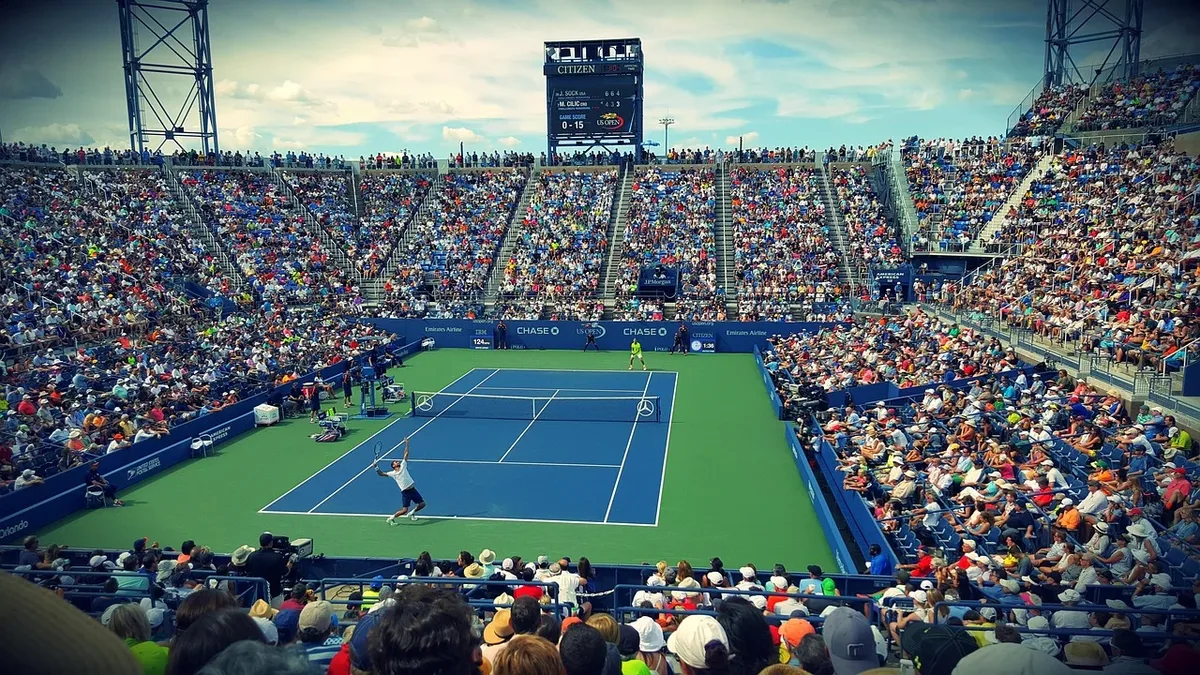
Samuel, Fery Lead GB to 2-0 Davis Cup Lead Over Ecuador
Toby Samuel and Arthur Fery won their singles matches to give Great Britain a commanding 2-0 lead in their Davis Cup qualifying tie against Ecuador in
Australian Open Chief Proposes Scrapping Five-Set Matches
Tennis Australia's new CEO, Andrew Abdo, is considering major changes to Grand Slam formats, including potentially ending five-set matches and...
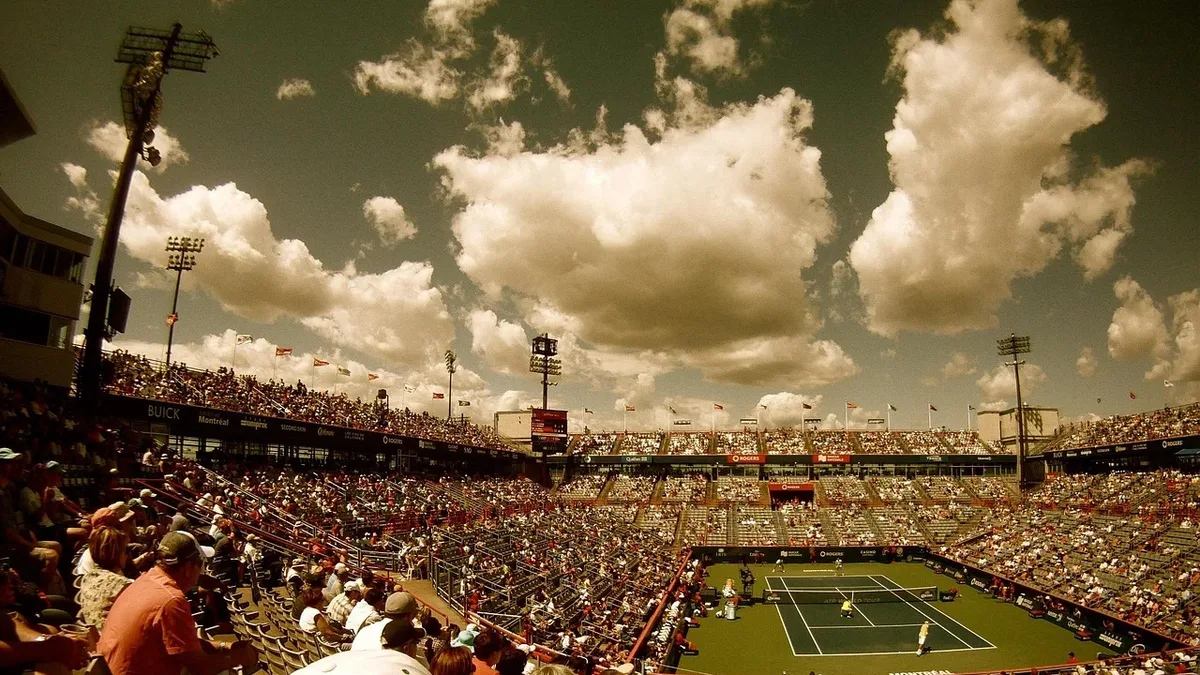
Alcaraz, Sabalenka in US Open 2nd Round
Defending champions Carlos Alcaraz and Aryna Sabalenka are heavy favorites in their US Open second-round matches on Day 4.
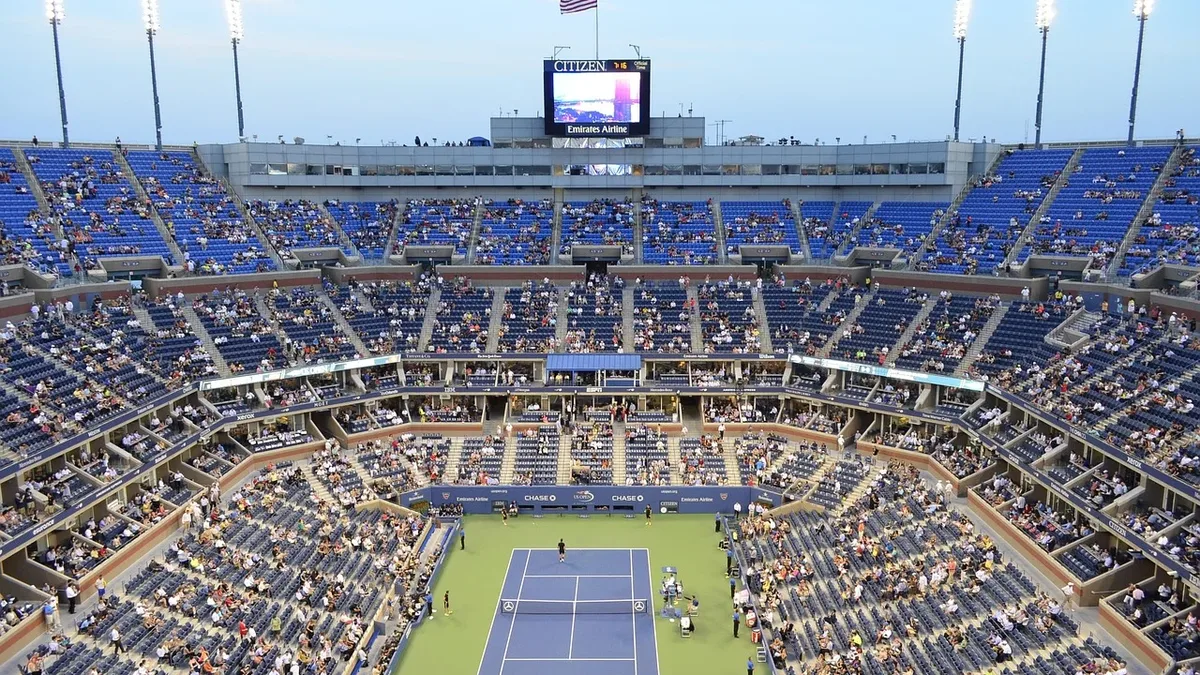
US Open first round: Seven key matches
The US Open draw has set up seven intriguing first-round matches, featuring defending champions, returning stars, and potential upsets.
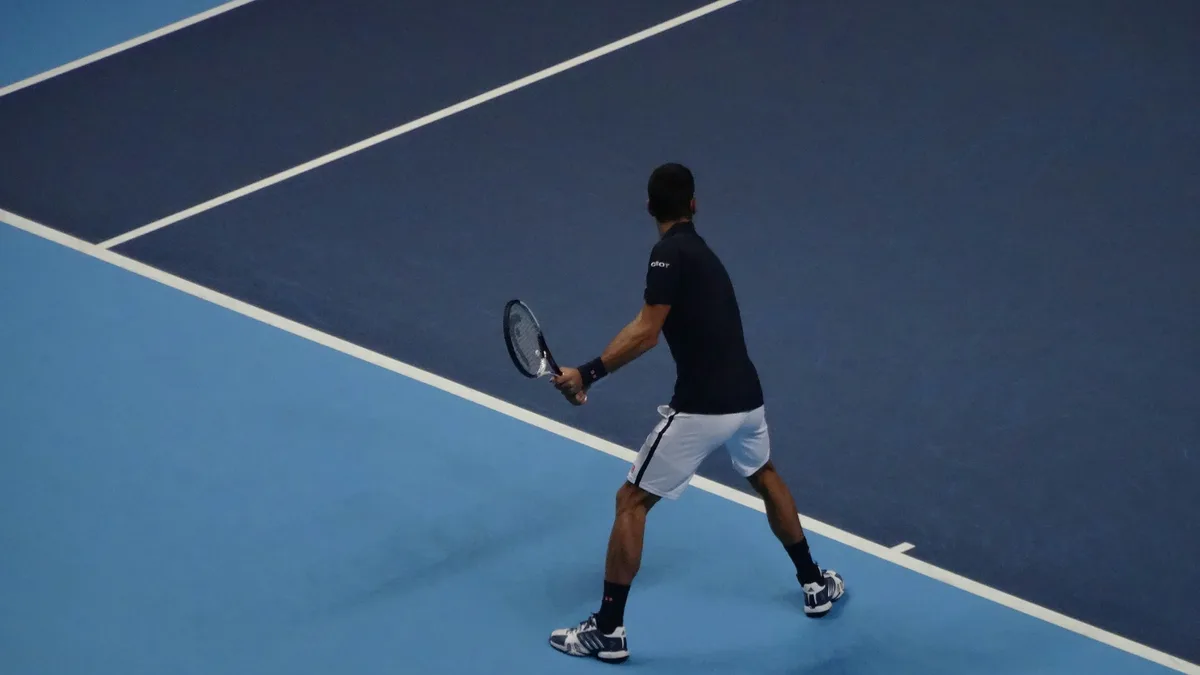
Djokovic aims to avoid 20-year US Open low
Novak Djokovic must win three matches at the US Open to reach the fourth round and avoid his worst Grand Slam season since 2006.