Most Grand Slam Titles
| Tournament | Wimbledon |
|---|---|
| Country of origin | United Kingdom |
| First created | 1877 |
| Surface | Grass |
| Draw size | 128 (singles) |
| Tournament category | Grand Slam |
| Original use | Lawn tennis championship |
Origin and history
The concept of tracking the "Most Grand Slam Titles" originates from the international tennis circuit, with its modern statistical focus emerging in the late 20th century. This metric gained prominence as the Open Era, beginning in 1968, allowed professionals to compete in the four major tournaments consistently. The term specifically refers to the cumulative count of singles championships won at the Australian Open, French Open, Wimbledon, and US Open. Historical comparisons are complex, as the pre-Open Era amateur titles are often included in official tallies, though the conditions of competition differed significantly. The pursuit of this record became a central narrative in men's tennis from the 1990s onward, with players' careers increasingly defined by their major title count. The women's record, held by Margaret Court with 24 singles titles, has been a benchmark since the 1970s.
What it is for
This metric serves as the primary historical benchmark for comparing the career achievements of tennis players across generations. It is used by media, fans, and the sport's governing bodies to contextualize a player's legacy and standing within the history of the game. Within the structure of the tour calendar, the pursuit of these titles dictates player scheduling, with many structuring their entire season around peaking for these four events. The tally directly influences endorsement value, hall of fame eligibility, and historical rankings. For tournament draws, a player's Grand Slam title count often determines their seeding beyond their current ranking, affecting their path through the event. It also creates the stakes for matches in the later rounds, where victories add directly to this definitive career total.
Overview
The Grand Slam tournaments are the four annual events that offer the most ranking points, prize money, prestige, and historical weight. Winning any one of them constitutes the pinnacle achievement in a tennis season. The "Most Grand Slam Titles" leaderboard is a separate, cumulative record that exists independently of the annual ATP or WTA rankings, though it is intrinsically linked to them. This count includes only singles titles; separate tallies are kept for doubles and mixed doubles championships. The calendar progresses from the Australian Open in January, to the French Open in late May, Wimbledon in June-July, and concludes with the US Open in August-September. A player's total can only increase at these specific points in the calendar, making each tournament a high-pressure opportunity to alter their historical standing.
What to know
The ranking points awarded for a Grand Slam victory are 2000, which is double that of a Masters 1000 event and represents the largest single addition to a player's ranking. A deep run in a major, even without winning, provides a significant points buffer that can secure a top ranking for months. The draw of 128 players is single-elimination, and the two-week duration tests endurance and consistency across seven best-of-five-set matches for men and best-of-three for women. Surface variation is critical: the Australian Open and US Open are played on hard courts, the French Open on clay, and Wimbledon on grass, demanding all-court proficiency for a high title count. Historical totals often combine amateur and Open Era titles, a point of debate when comparing eras. The "Career Grand Slam" refers to winning all four majors at least once, a distinct achievement from the total count.
Common questions
A common question is whether all Grand Slam titles are considered equal, to which the answer is that each major carries the same 2000 ranking points and historical prestige, though players and fans may attribute different personal or traditional significance to each event. Many ask how the record is affected by missed tournaments due to injury, which highlights that longevity and consistent participation are as crucial as peak performance for accumulating titles. People often question the comparison between men's and women's totals, noting the different number of sets played, but the titles are counted separately within each tour's historical context. Another frequent inquiry concerns the impact of surface specialization, as some champions dominate one specific major but struggle to add others, limiting their overall tally. Fans also debate the weight of titles won against different competitive fields, though the record books do not make such distinctions. The question of whether future changes to the tour structure could devalue these titles is a persistent topic of discussion.
Pros and cons
The primary pro is that it provides a clear, numerical standard for greatness that is easily understood and compared across decades, creating a definitive historical hierarchy. It elevates the four majors above other tournaments, focusing fan attention and player effort on the sport's most traditional and testing events. A significant con is that it can unfairly diminish the careers of exceptional players who were consistently excellent but won fewer majors due to competing in a particularly strong era or suffering injuries at inopportune times. The pursuit can lead to unbalanced scheduling, where players may skip other prestigious tournaments or compromise their physical health to prioritize majors, potentially shortening careers. A common mistake is using the title count as the sole measure of a player's ability, ignoring factors like weeks at number one, head-to-head records, or total tour titles. Players and fans often regret the intense pressure this single metric creates, as coming close in multiple finals without winning can disproportionately define a legacy negatively.
Who it suits
This metric best suits historians, statisticians, and fans who prioritize a straightforward, legacy-focused view of tennis achievement over the fluidity of year-to-year rankings. It is particularly relevant for players who possess a game that translates across all three surfaces, as surface specialists will find it difficult to accumulate a high total. The pursuit suits athletes with exceptional physical durability and mental resilience, given the demanding two-week format of each event and the need to maintain peak performance for over a decade. It is less suited for evaluating the quality of a single season, where the ATP Finals or Masters 1000 victories may better indicate consistent dominance, or for assessing players at the start of their careers. Broadcasters and journalists heavily rely on this tally to build narratives and contextualize matches, especially in the later rounds of majors. Ultimately, it is a benchmark for the sport's absolute pinnacle achievers, those whose careers are defined by sustained excellence at the most consequential moments.
Latest Most Grand Slam Titles news
Latest reporting
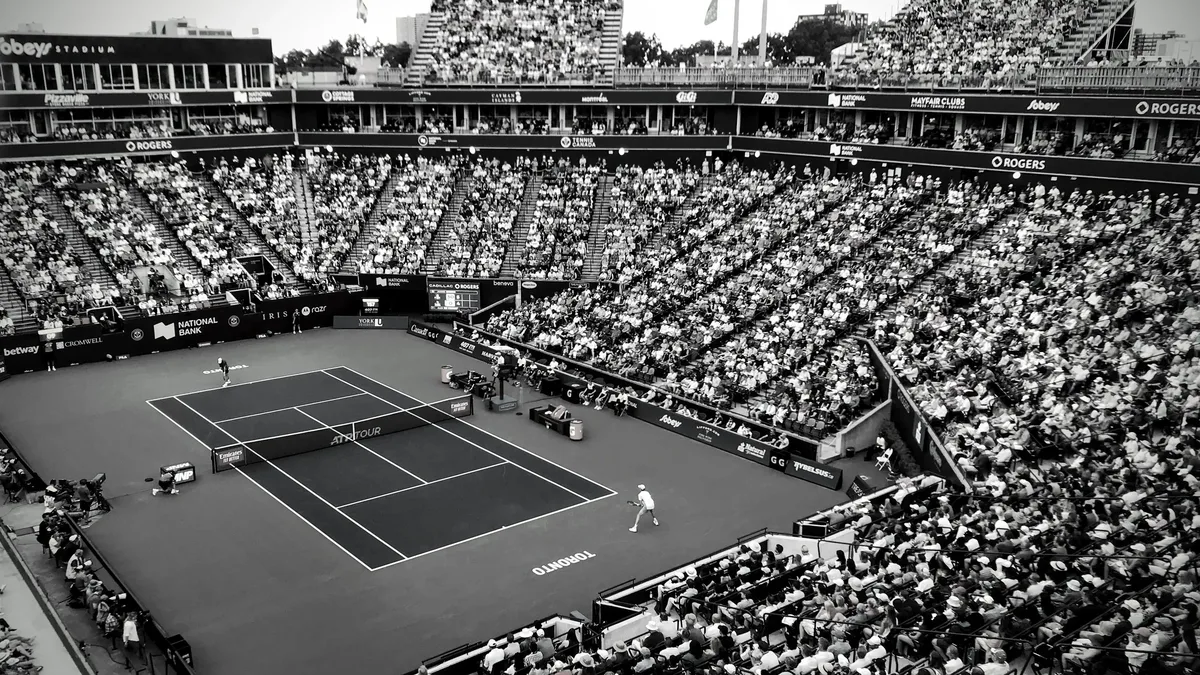
Elena Rybakina Joins Grand Slam Player Council with Djokovic
Elena Rybakina and Felix Auger-Aliassime are among 12 players on the new Grand Slam Player Council, formed after prize money protests.

Zverev's coach defends Grand Slam wins over injured rivals
Alexander Zverev's brother and coach, Mischa Zverev, has responded to claims that Zverev's 2026 Grand Slam titles were due only to injuries suffered...
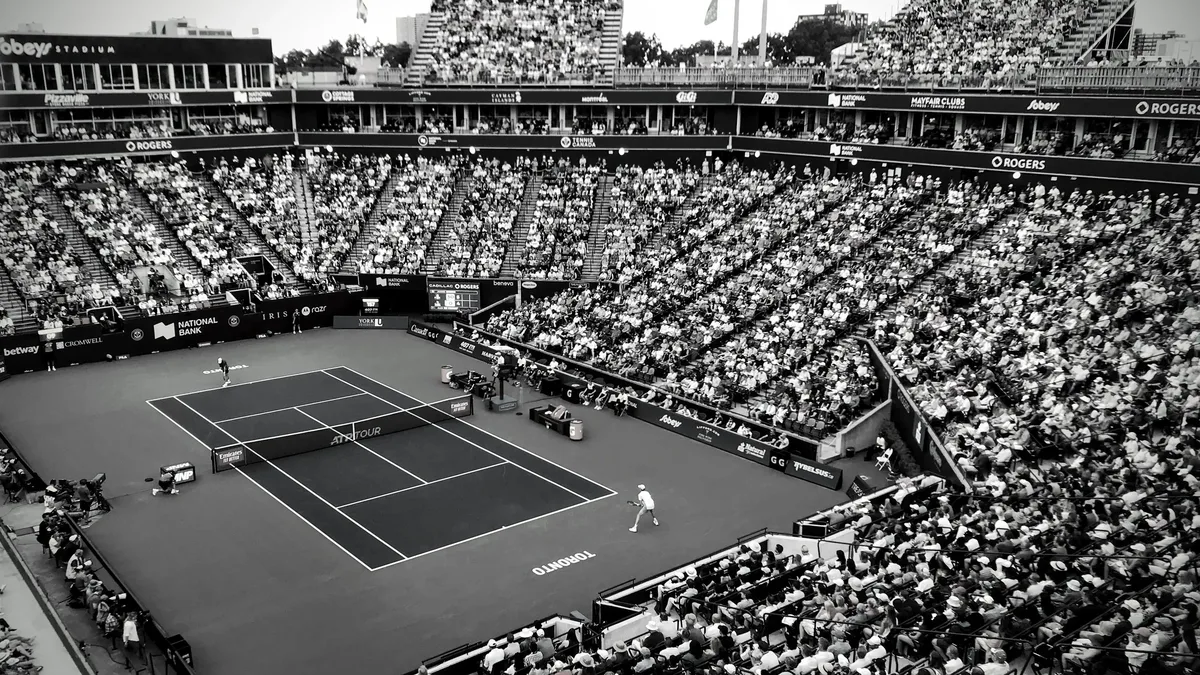
Panna Udvardy's Grand Slam Struggles Continue in 2026
Hungarian player Panna Udvardy has lost in the first round of all four Grand Slams in 2026, a repeat of an unwanted career feat.

15-Year-Old Chris Evert Stuns Grand Slam Champion Margaret
In a 1970 Charlotte Open semi-final, teenage prodigy Chris Evert defeated world No. 1 Margaret Court, who had just completed a calendar-year Grand...

Joe Salisbury retires from tennis after six Grand Slam
British doubles specialist Joe Salisbury, 34, has announced his retirement from professional tennis. The six-time Grand Slam champion made the...
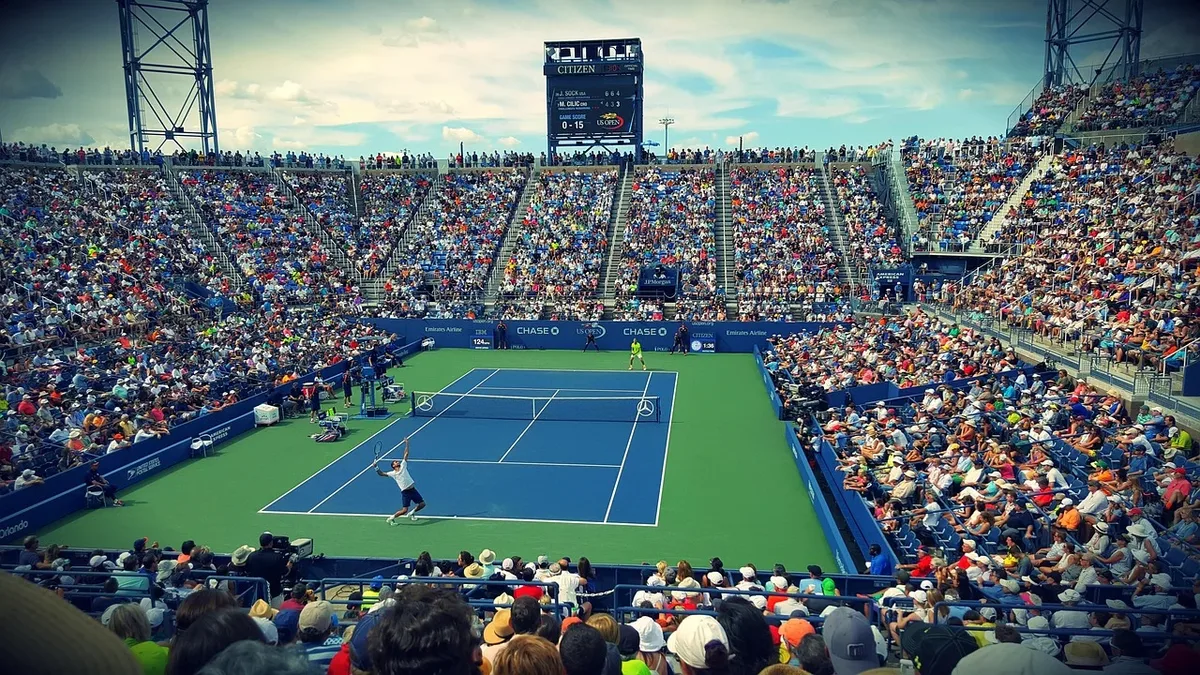
US Open 2026 Criticized as Worst Grand Slam in Recent Memory
The 2026 US Open faced severe criticism for poor stadium conditions, disruptive influencer behavior, and punishingly late match finishes, despite