Padel And Pickleball Crossover For Club Players
| Tournament format | Round-robin and knockout |
|---|---|
| Court surface | Artificial turf or acrylic |
| Scoring system | Modified pickleball scoring |
| Player ranking | Club-level amateur |
| Equipment | Padel rackets and pickleball balls |
| Match duration | Timed matches or first to points |
| Venue type | Dedicated padel or multi-sport club |
Origin and history
The Padel and Pickleball Crossover for Club Players is a contemporary tournament format that originated in North America in the 2020s. It emerged from the parallel growth of padel and pickleball within multi-racket sports clubs seeking to engage their membership bases. The format was developed by club organizers and amateur sports promoters to address the overlapping interest in both sports. Its creation was not the initiative of a single national federation but rather a grassroots response to club player demand. The concept gained documented traction through tournament listings and club newsletters across the United States and Canada. It represents a deliberate effort to create a competitive bridge between two of the fastest-growing racket sports.
What it is for
This crossover event is designed to test the versatile racket skills of amateur club players across two distinct sports. Its primary purpose is to provide a novel competitive structure that rewards adaptability rather than specialization in a single sport. The format serves to increase court utilization and programming opportunities for clubs that offer both padel and pickleball facilities. It aims to foster community between the often-separate padel and pickleball player groups within a club environment. The tournament is structured to determine an overall club champion proficient in both games. It also functions as a recruitment tool, encouraging players of one sport to sample and potentially adopt the other.
Overview
A Padel and Pickleball Crossover tournament is a combined competition where participants compete in matches of both sports, with results aggregated into an overall standing. The typical format involves each player or team playing a predetermined number of padel matches and pickleball matches within a single event. Matches are usually shortened formats, such as single sets or first-to-points games, to accommodate the dual schedule. The tournament draw is often a round-robin or double-elimination bracket that schedules participants on both padel and pickleball courts throughout the day. The ranking points riding on the outcome are typically allocated per match win in each sport, which then contribute to a total points tally. The overall winner is the participant or team with the highest cumulative points from their combined padel and pickleball results.
What to know
Participants must be prepared to switch between the different techniques, court sizes, and equipment required for padel and pickleball, often with minimal transition time. The tournament draw is crucial, as it dictates the sequence of sports and the potential for back-to-back matches, impacting physical and tactical pacing. The ranking points system is explicitly defined in the tournament rules, with points per win often weighted equally between the two sports or, in some variants, weighted by match duration. Knowledge of both sports' basic rules and scoring is mandatory, as officials may assume competence in each. Equipment logistics are key; players must bring both a padel racket and a pickleball paddle, and appropriate footwear for both court surfaces. The format demands a broader tactical mindset, as a loss in one sport can potentially be offset by a strong performance in the other.
Common questions
A common question is whether players need a partner for both sports, which depends on the event structure, with some offering singles for pickleball and doubles for padel. Participants often ask about the specific scoring and points allocation, which varies by organizer and must be clarified in the pre-tournament brief. Many inquire about the equipment, specifically if specialized padel shoes are required or if multi-court shoes are acceptable for both surfaces. Players frequently question the format for draws with an odd number of participants and how byes are handled across the two different sports schedules. There is regular confusion about the ball used for padel matches in a crossover context, as outdoor pickleball tournaments might conflict with indoor padel court requirements. Organizers are often asked if there is a minimum skill level required in both sports, with most events being open to all club members but effectively self-selecting for intermediate players.
Pros and cons
A significant pro is the engagement of a wider club membership and the breaking down of silos between distinct sporting communities. The format efficiently uses club infrastructure by scheduling events on both padel and pickleball courts throughout a single day. For players, it provides a unique and mentally stimulating challenge that can improve overall racket sport intuition and adaptability. A major con is the potential for superficial competition, where a specialist in one sport can dominate their matches but be a liability in the other, leading to unbalanced team events. Players often regret entering if they have a significant skill disparity between the two sports, as they may spend the day feeling uncompetitive in half their matches. The common mistake is underestimating the physical toll of switching between the different movement patterns and court sizes, leading to fatigue or injury.
Who it suits
This tournament format best suits versatile club players who have at least intermediate competency and regular playing experience in both padel and pickleball. It is ideal for the curious sports enthusiast who enjoys the technical challenge of adapting to different equipment and tactical systems within a competitive framework. The crossover appeals to club administrators and social committees looking to create a flagship event that maximizes participation and court bookings. It is less suitable for highly specialized, performance-focused players who train exclusively for one sport and may find the other sport frustrating or physically awkward. The format also suits clubs with strong communities in both sports that are seeking a novel competitive experience over traditional single-sport tournaments. It is not recommended for absolute beginners in either sport, as the pace of competition and rule expectations will likely prove overwhelming.
Latest Padel And Pickleball Crossover For Club Players news
Latest reporting
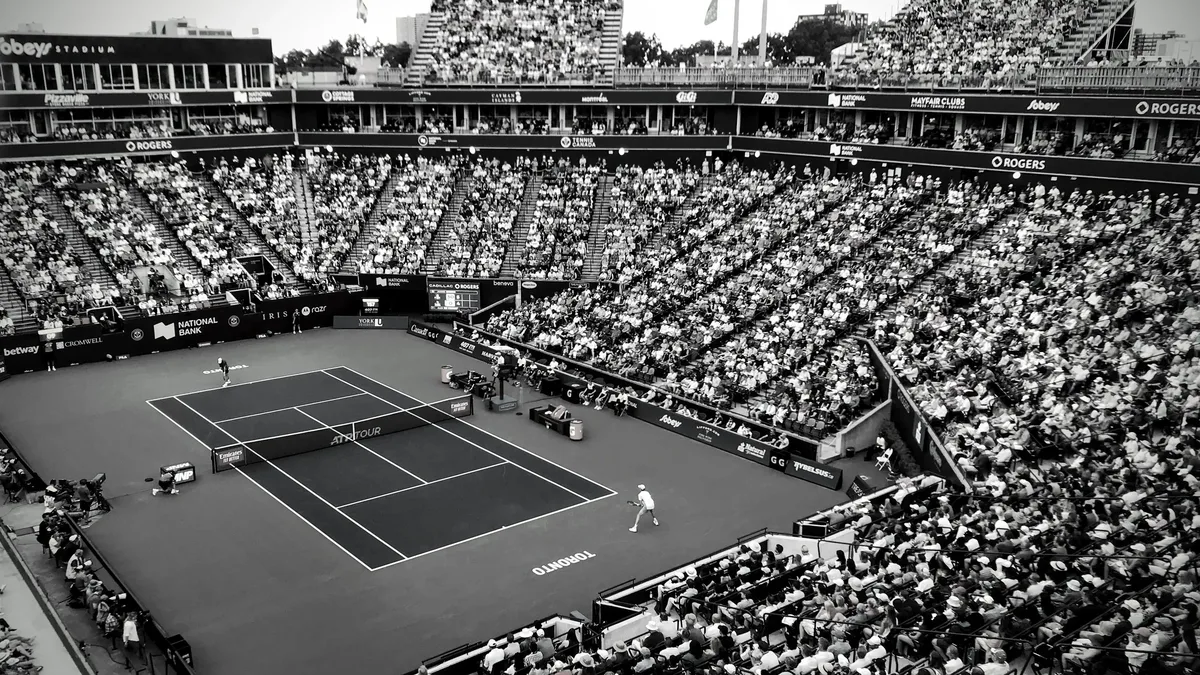
Elena Rybakina Joins Grand Slam Player Council with Djokovic
Elena Rybakina and Felix Auger-Aliassime are among 12 players on the new Grand Slam Player Council, formed after prize money protests.
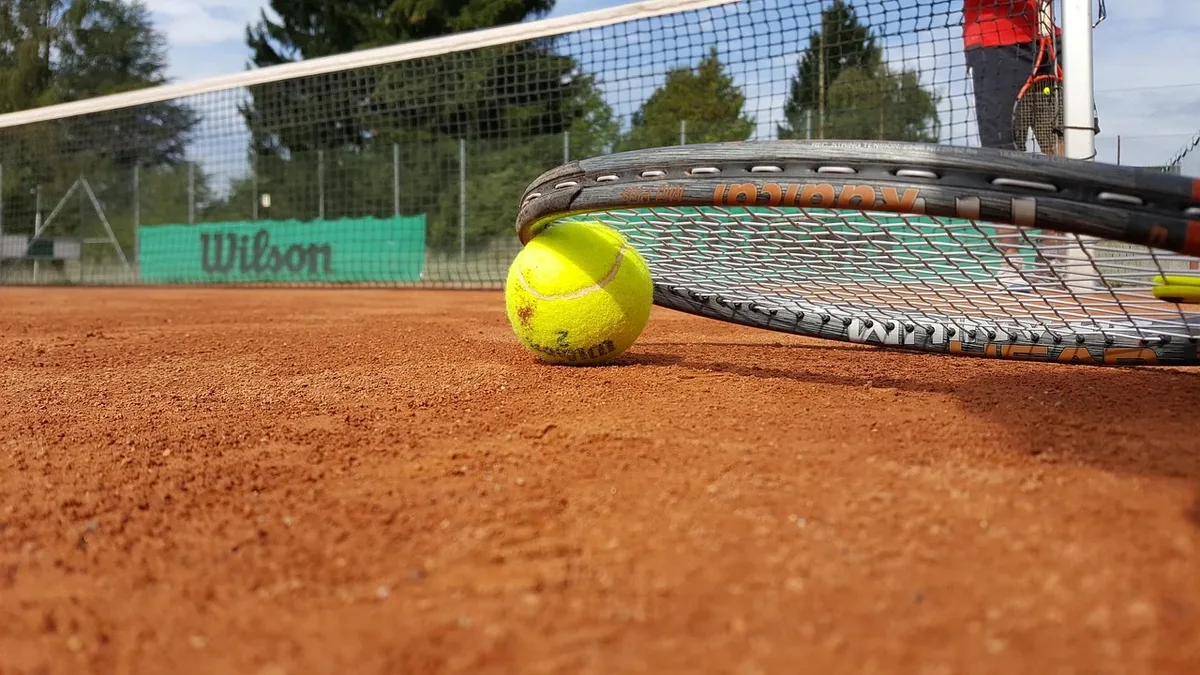
Top tennis players end prize-money campaign
Leading tennis players have suspended their 18-month campaign for more prize money and welfare support from the grand slams, following the creation...

Greg Rusedski demands US Open cannabis ban
Former finalist Greg Rusedski calls for a smoking ban at the US Open after players including Aryna Sabalenka complain about the smell of cannabis...
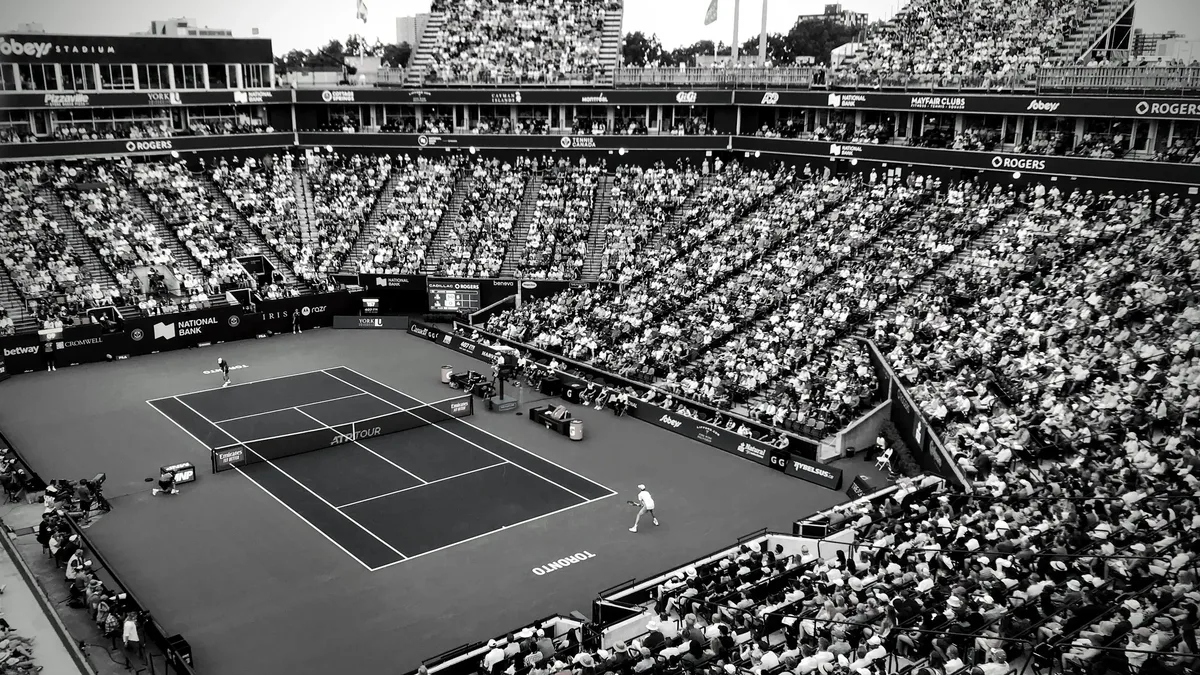
British Tennis Faces Questions After US Open Singles Exit
No British singles players reached the US Open second week, but LTA officials cite positives like a record number of main-draw entrants and multiple...
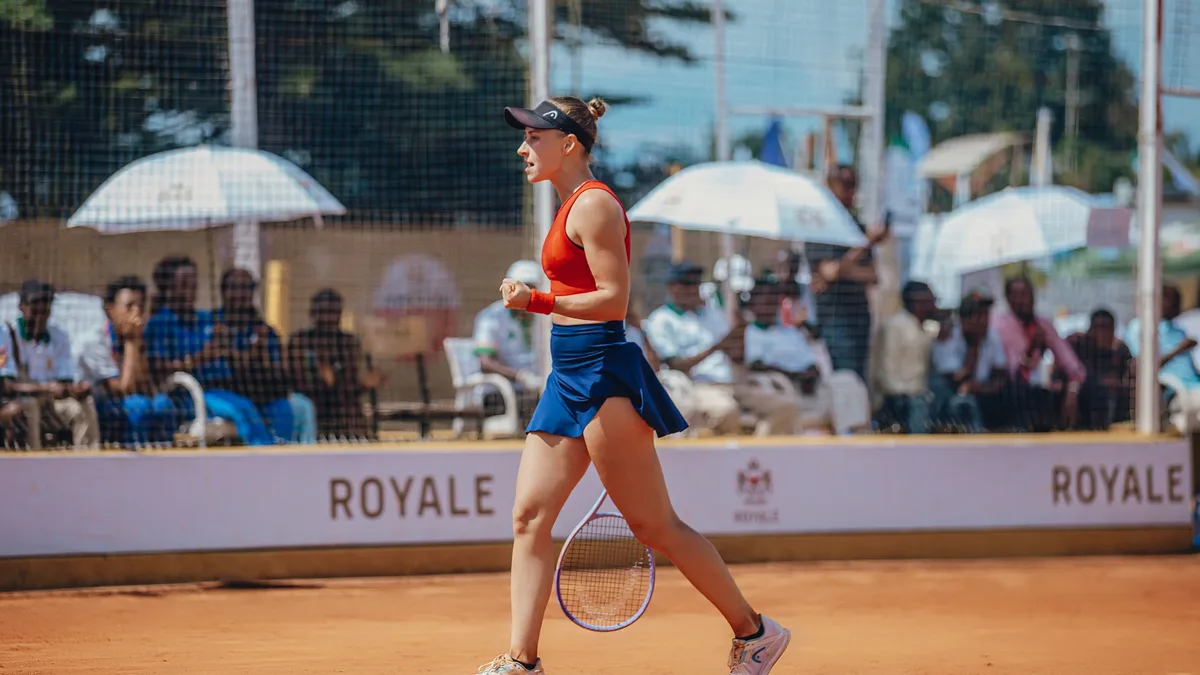
Fran Jones calls for inquiry after British players exit US
Fran Jones supported calls for an inquest into British tennis after all nine British players failed to advance past the second round at the US Open...
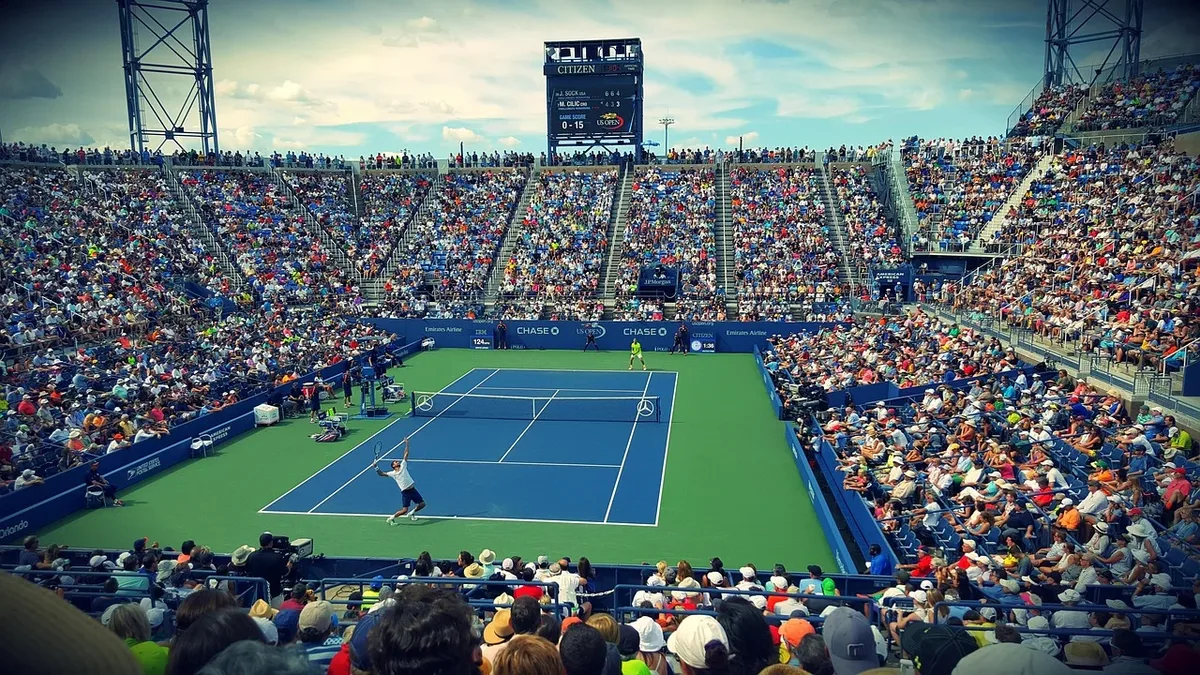
Shelton, Fritz on US Open Hopes
Top-seeded Americans Ben Shelton and Taylor Fritz discuss the competitive push among U.S. players and their own form heading into the 2026 US Open.